Is Aluminum Cookware Safe?
What You Need to Know Before Your Next Purchase*!
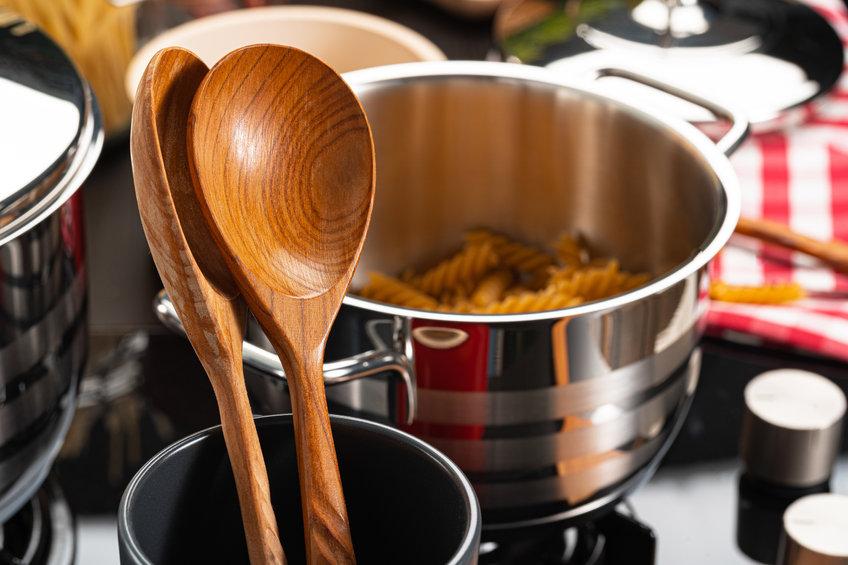
[Various aluminum cookware pieces arranged on a kitchen counter – pots, pans, and skillets
showing different finishes and styles]
Aluminum cookware has been a kitchen staple for decades, prized for its excellent heat conduction and lightweight design. But with growing health consciousness, many home cooks are asking: **Is aluminum cookware actually safe to use?**
The short answer is nuanced. While pure aluminum cookware does raise some concerns, modern aluminum cookware with proper coatings and anodized finishes can be perfectly safe when used correctly. Let’s dive deep into what the science says and help you make an informed decision for your kitchen.
The Science Behind Aluminum Safety Concerns
Aluminum is the third most abundant element on Earth and naturally occurs in food, water, and even our bodies in small amounts. The primary concern stems from potential aluminum leaching into food during cooking, which could theoretically contribute to health issues.
**Key concerns include:**
– **Alzheimer’s Disease Connection**: While early studies suggested a link between aluminum exposure and Alzheimer’s, current research shows no conclusive evidence that normal aluminum exposure from cookware increases Alzheimer’s risk.
– **Acidic Food Reactions**: Aluminum can react with acidic ingredients like tomatoes, citrus, or vinegar, potentially causing more aluminum to leach into food and creating an unpleasant metallic taste.
– **High Heat Concerns**: Cooking at extremely high temperatures may increase aluminum migration, though this typically occurs well above normal cooking temperatures.
## Types of Aluminum Cookware and Their Safety Profiles
Not all aluminum cookware is created equal. Understanding the different types can help you make safer choices:
### 1. Raw/Pure Aluminum Cookware
Pure aluminum cookware is lightweight and conducts heat exceptionally well, but it’s the most likely to react with acidic foods and leach aluminum.
**Safety Rating**: ⚠️ Use with caution
**Best for**: Basic cooking tasks, avoiding acidic ingredients
### 2. Anodized Aluminum Cookware
Anodized aluminum undergoes an electrochemical process that creates a hard, non-reactive surface. This significantly reduces aluminum leaching and makes the cookware more durable.
**Safety Rating**: ✅ Generally safe
**Best for**: Everyday cooking, including acidic foods
Rachael Ray Brights:Recommend specific anodized aluminum cookware sets*
### 3. Non-Stick Coated Aluminum
Aluminum pans with non-stick coatings (like Teflon or ceramic) prevent direct food contact with aluminum, virtually eliminating leaching concerns.
**Safety Rating**: ✅ Very safe (when coating is intact)
**Best for**: Low to medium-heat cooking, easy cleanup
*[Nuwave: Feature top-rated non-stick aluminum cookware]*
### 4. Stainless Steel with Aluminum Core
These pans use aluminum cores for heat distribution while maintaining stainless steel cooking surfaces, combining the best of both worlds.
**Safety Rating**: ✅ Excellent safety profile
**Best for**: Professional cooking, high-heat applications, acidic foods
*Umite Chef Stainless Steel Cookware Set: Highlight premium stainless steel with aluminum core sets]*
## What Health Experts and Studies Actually Say
Recent scientific consensus suggests that aluminum cookware poses minimal health risks when used properly:
– The **World Health Organization** states that aluminum intake from cookware contributes only a small fraction to total dietary aluminum exposure
– The **FDA** considers aluminum cookware safe for food contact
– **Modern toxicology research** shows our bodies naturally process and eliminate small amounts of aluminum efficiently
However, certain populations may want to exercise extra caution:
– Individuals with kidney disease (reduced aluminum elimination)
– Those following extremely high-aluminum diets
– People specifically advised by healthcare providers to limit aluminum exposure
Safe Usage Guidelines for Aluminum Cookware
If you choose to use aluminum cookware, follow these best practices:
### Do:
– **Use anodized or coated aluminum** whenever possible
– **Season pure aluminum pans** before first use
– **Cook at moderate temperatures** (avoid extreme high heat)
– **Hand wash gently** to preserve protective coatings
– **Store properly** to prevent scratches and damage
### Don’t:
– **Cook highly acidic foods** in raw aluminum (tomatoes, citrus, vinegar-based sauces)
– **Use abrasive cleaners** that can damage protective surfaces
– **Put in dishwasher** unless explicitly dishwasher-safe
– **Use metal utensils** that can scratch coatings
## Safer Alternatives to Consider
While aluminum cookware can be used safely, some cooks prefer alternatives that eliminate any potential concerns:
### Stainless Steel
**Pros**: Durable, non-reactive, dishwasher-safe
**Cons**: Uneven heating without an aluminum core
Premium stainless steel cookware sets
### Cast Iron
**Pros**: Excellent heat retention, naturally non-stick when seasoned, adds iron to diet
**Cons**: Heavy, requires maintenance
Cast iron skillet and Dutch oven recommendations
Carbon Steel
**Pros**: Professional-grade performance, naturally non-stick, lighter than cast iron
**Cons**: Requires seasoning and maintenance
Carbon steel pan recommendations
### Ceramic Cookware
**Pros**: Completely non-reactive, attractive, oven-safe
**Cons**: Can chip or crack, slower heat conduction
Ceramic cookware sets
## The Bottom Line: Making Your Decision
For most home cooks, **quality aluminum cookware with proper coatings poses minimal health risks** and offers excellent cooking performance. The key is choosing the right type and using it correctly.
**Choose aluminum cookware if you:**
– Want excellent heat conduction and lightweight pans
– Cook primarily non-acidic foods
– Prefer affordable, effective cookware
– Are comfortable with proper care and usage guidelines
**Consider alternatives if you:**
– Frequently cook acidic foods
– Want completely inert cooking surfaces
– Prefer low-maintenance options
– Have specific health concerns about aluminum exposure
## Our Top Recommendations
Based on safety, performance, and value, here are our top picks across different categories:
**Best Overall Aluminum**: Ninja Foodi NeverStick Professional – Anodized aluminum set]*
**Best Non-Stick**: T-fal Revive Ceramic Cookware – Ceramic or PTFE coated aluminum]*
**Best Alternative**: Caraway Stainless Steel Deluxe – Stainless steel with aluminum core]*
**Best Budget Option**: Rachael Ray – Quality anodized aluminum starter set]*
## Final Thoughts
The aluminum cookware safety debate often generates more fear than necessary. While it’s wise to be informed about what you’re cooking with, current scientific evidence suggests that modern aluminum cookware, particularly anodized and coated varieties, can be part of a safe and healthy kitchen.
The most important factors are choosing quality cookware, using it properly, and maintaining it well. Whether you stick with aluminum or explore alternatives, the key is making an informed choice that fits your cooking style, budget, and peace of mind.
*What’s your experience with aluminum cookware? Have you noticed any differences when switching between materials? Share your thoughts in the comments below!*
—
*Disclaimer: This information is for educational purposes and should not replace professional medical advice. If you have specific health concerns about aluminum exposure, consult with your healthcare provider.*